
Business Travelers’ Guide to Malaga Airport VIP Lounge Facilities
Malaga Costa del Sol has matured from a sun-and-sangria gateway into a steady business corridor. Conferences in the tech parks northwest of the city, property deals along the coast, and a growing number of direct European routes have filled weekday flights at Malaga Airport. If you work on the move, the right lounge at AGP can turn a crowded departure hall into a quiet, connected base of operations. The airport does not offer a sprawling choice of clubs like Madrid or Barcelona, but the flagship space in Terminal 3 has most of what a business traveler needs when time is tight and focus matters.
What exists, and where to find it
The primary facility is the Sala VIP Costa del Sol, sometimes called the Malaga Airport lounge or simply Sala VIP Malaga Airport in airline materials. It sits airside in Terminal 3, a short walk after security, on the departures level. Look for signs that read VIP Lounge Costa del Sol or Sala VIP. If you have checked in at the older Terminal 2 counters, you still clear security through Terminal 3 for most flights, so the lounge remains the same destination.
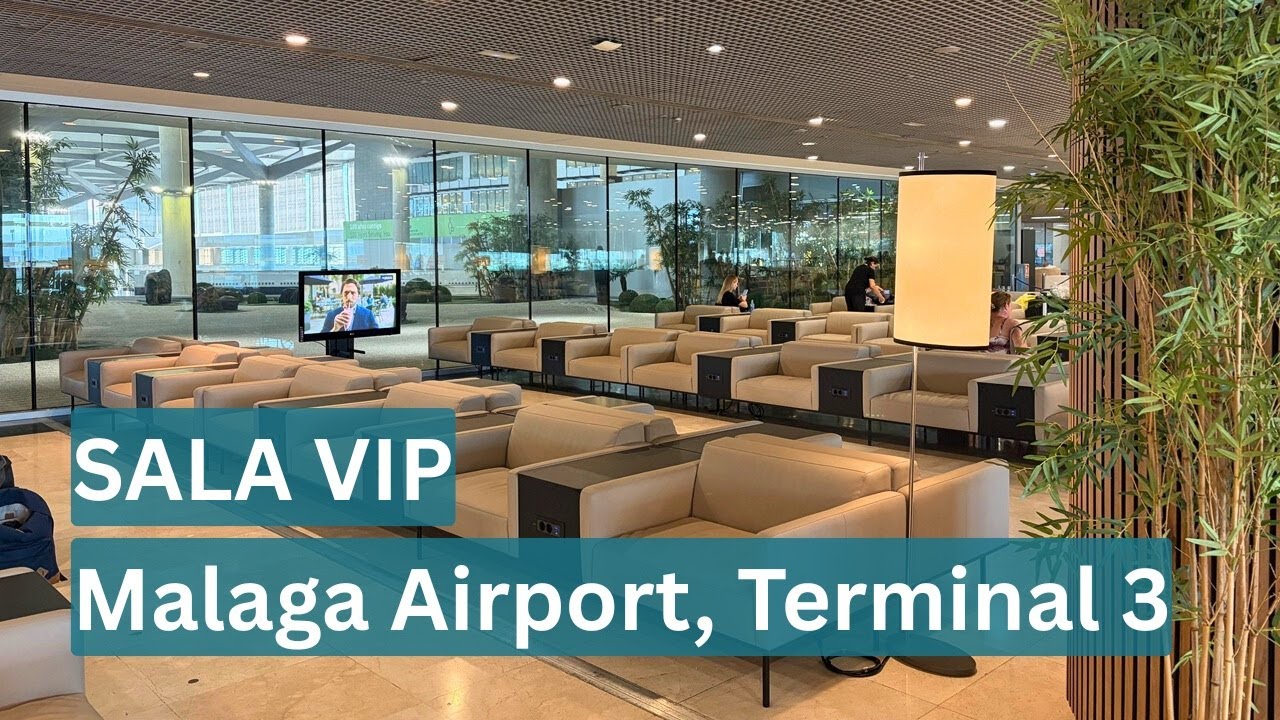
The design is open and bright, with a long footprint that stretches along the terminal windows. You can usually pick a spot with apron views, which helps on days when you want to keep an eye on aircraft movement and likely delays. Access is available to passengers departing from both Schengen and non-Schengen gates, which simplifies things if your itinerary changes or your carrier shifts you to a different pier. There is no separate business lounge Malaga Airport space for specific airlines on a permanent basis, so even premium-cabin travelers on full-service carriers will generally end up in the same Sala VIP.
Opening hours and seasonal patterns
Malaga runs on beach and golf schedules as much as business rhythms. That seasonality shows up in lounge hours. During the high summer months, opening often starts in the early morning and runs late into the evening, commonly from around 6:00 until 23:00 or later. In winter, hours can shorten slightly at either end of the day. Aena, the airport operator, updates Malaga airport lounge opening hours on its site and app, and those updates reflect temporary changes around holidays. When I have early departures, I check the Aena listing the day before, because first-wave flights sometimes hit security before the lounge opens by a few minutes.
As for dwell time, the standard limit is 3 to 4 hours before departure, enforced more on busy Saturdays and long bank holidays. If you arrive much earlier than your flight, expect staff to note the time on your boarding pass and ask you to return closer to departure.
Quick facts for the time-poor traveler
- Location: Airside, Terminal 3 departures, signed as Sala VIP Costa del Sol.
- Typical access window: Up to 3 to 4 hours before scheduled departure.
- Accepted programs: Priority Pass Malaga Airport, DragonPass, LoungeKey, select airline invitations.
- Walk-in availability: Paid lounge Malaga Airport access usually offered, subject to capacity.
- Core amenities: Reliable Wi-Fi, power outlets, a self-serve buffet with hot and cold items, coffee machines, beer and wine.
Access rules, passes, and what you will pay
Lounge access at Malaga Airport follows a straightforward playbook. If you carry a Priority Pass, DragonPass, or a credit card that confers LoungeKey privileges, you can normally walk in, present your digital membership and boarding pass, and be admitted. The AGP airport lounge also hosts premium passengers and elite members on partner airlines when those carriers contract the space for their departures. If your ticket shows Business or you have top-tier status, the gate agent or check-in desk will confirm whether the Malaga airport VIP lounge is included and hand you an invitation if needed.
Paid entry is common. The walk-up rate for adults usually sits in the high 30s to low 40s in euros, and online pre-booking through Aena’s website sometimes trims a few euros off Malaga airport lounge prices. Children’s pricing varies by age, and infants are often admitted free. Payment is contactless-friendly, which helps if you arrive with a phone wallet rather than a physical card. If you expense travel, ask the desk for a factura with your company’s tax details. Spain requires a NIF or VAT number on the invoice for proper accounting, and the staff are used to preparing these.
Capacity controls can apply in peak hours. If the lounge is full, program access might be paused for a short time. In practice, I have seen them reopen in 10 to 20 minutes once a wave of passengers heads to boarding.
What the lounge does well for work
Connectivity comes first. The airport lounge Malaga Spain network uses a simple login and holds a steady signal across the space. I have taken video calls near midday on weekdays without stutter. When there is a game or a cluster of families, bandwidth dips a bit, but it stays serviceable for email sync and cloud documents. As with any public Wi-Fi, use a VPN for anything sensitive. If you travel with two devices, register both, because the network sometimes logs out background connections after 60 to 90 minutes of inactivity.
Power outlets are frequent along the windows and beside high-top tables. Bring a compact two-port adapter if you carry both a laptop and a phone, because some plugs sit low on the wall and share a frame with a second socket. Spain uses type F plugs at 230V. I keep a short extension cord in my bag, which lets me reach awkward sockets without hugging the wall.
The seating layout makes it easy to pick your vibe. Toward the back, soft chairs with side tables work for reading and light typing. Closer to the food stations, café tables suit short stints. In the middle, you will find a few bar seats that let you stand and work when you need to keep energy high between flights. There are no enclosed phone booths, so for confidential calls I move to the far ends of the room or step into the terminal’s quieter corridors and return for coffee.
Staff keep the space tidy, which matters more than it sounds. Clearing plates quickly means you do not end up fielding a client call beside a stack of glasses. If you need something printed, they will try to help, though not every shift has back-office access for documents. I carry a boarding pass in my wallet app and save anything else to a PDF I can show on screen.
Food, coffee, and the practicalities of timing
The buffet rotates with the clock. Early morning brings pastries, yogurt, fruit, and cold cuts, plus tortilla squares and sometimes small hot items like bacon or eggs in a chafing dish. By late morning, sandwiches and salads take over, and hot items narrow to a couple of options. Afternoon and evening lean on snacks, cheeses, and light hot dishes. If you need a proper lunch, the spread satisfies without slowing you down, but it is not a destination dining room. The smart play is to grab a plate before the top of the hour when boarding calls pull staff away for a moment.
Coffee is self-serve from bean-to-cup machines. The Americano has decent body, and the milk steamer produces foam that passes the cappuccino test. Teas are standard individually wrapped bags, with a few herbal choices. Fridges hold soft drinks and still and sparkling water. Alcohol sits on the counter, with beer taps or bottles and a lineup of wines, including a local option when available. Spirits are the usual suspects. The selection beats the main terminal bars on price and predictability, but it is meant for moderation. If you sip cava to celebrate a deal, pair it with water and keep your eye on the clock. Malaga airport lounge WiFi food balance matters if you have a call straight after boarding.
For travelers with dietary restrictions, vegetarian choices are easy to assemble, and gluten-free items appear with labels. As always with self-serve buffets, check ingredient cards and ask the staff if you have an allergy that requires certainty.

Showers, rest, and the myth of the mid-journey spa
This is not a spa lounge. There are no showers, which can surprise anyone connecting after a red-eye into Malaga and heading on to a short-haul hop. Rest options are limited to lounge chairs and a few slightly reclined seats. You can nap if you are skilled at sleeping upright, but it is not set up for proper rest. If your schedule demands a reset before a client dinner, consider a day room at an airport-adjacent hotel. Several properties sit within a 5 to 10 minute ride, and taxis are quick to and from the terminal outside rush hour.
When it is worth paying for access
If you hold a membership like Priority Pass Malaga Airport, the decision mostly hinges on time and crowding. For walk-ins who plan to pay, do a quick calculus at the rope. Ask yourself how much you will work. If you need to send a proposal, edit a slide deck, and jump on one video call, the fee is easy to justify. If you are just killing 30 minutes before boarding, you may be better off at a quiet gate with a takeaway coffee.
Airports along the Costa del Sol can feel festive. That energy is part of the place. It also means noise levels vary. On balance, the Malaga Terminal 3 lounge gives you a bubble of predictability that the public concourse does not, especially on weekends in peak season.
Comparing lounge time to terminal time
The public departure zone at AGP has improved in recent years. There are more seats, better lighting, and a decent range of cafés. The airport Wi-Fi on the concourse performs respectably when the terminal is not jammed. But seat availability swings dramatically as flights cluster. Power outlets in public areas are hit or miss, and it is common to see travelers hunched on the floor near a pillar. If you need to review a contract or rehearse a pitch, the business lounge Malaga Airport experience edges out the terminal simply because you can control your setup.
The lounge bathrooms are consistently cleaner and less busy than those on the concourse. If you are on a tight connection, that alone buys you a few minutes back.
Finding space when the lounge is busy
Crowding is predictable. Early morning banks on weekdays draw corporate traffic and short-break travelers. Late mornings in summer welcome families. Saturday afternoons around peak holiday changeovers feel like rush hour. If you walk in and the center section looks full, keep going until you reach the far end by the windows. That zone stays quieter, especially near the corners. I often set up there with a laptop and noise-canceling earbuds and barely notice the room.
If the front desk quotes a wait, tell them you are happy to return in 15 minutes and take a short walk through the terminal. Sometimes a brief delay means you can trade a cramped stool for a better seat.
Access methods, at a glance
- Priority Pass, LoungeKey, and DragonPass typically grant entry, space permitting.
- Airline invitations for premium cabins or status apply on participating flights.
- Paid entry is available at the door and via Aena’s website, with prices usually in the 36 to 45 euro range for adults.
- Digital cards are widely accepted, though a physical boarding pass helps if your phone battery dips.
- Time limits apply, generally up to 3 to 4 hours before departure.
Getting there without backtracking
From security in Terminal 3, follow the overhead signs toward the boarding gates and watch for the Sala VIP markers. If you are used to airports that tuck lounges behind hidden corridors, Malaga is easier. The lounge entrance sits along a main passenger flow, glass-fronted and clearly signed. If you are short on time, do not detour past duty free too far. Slip into the lounge first, get your bearings, and then grab what you need before heading to your gate.
If your airline still checks bags at a Terminal 2 counter, the path to security and the lounge runs through Terminal 3. The walk is covered and straightforward. Build in an extra five minutes if you are not familiar with the layout.
Receipts, VAT, and tidying up the admin
The front desk can issue receipts that meet Spanish tax requirements, which is helpful if your finance team is strict. Have your company’s full name and VAT number ready. If you book online through Aena, the confirmation email includes the information your accounting software will want. When you enter on a membership like Priority Pass, the receipt will show a zero rate for access, and any guest fees post to your membership statement instead.
If you need a stamp or a note for a delayed flight claim, the lounge team will direct you to the ground handler or airline desk. They are friendly, but they cannot process compensation paperwork.
Edge cases and quirks worth noting
Not every gate at Malaga is a quick hop from the lounge. Some non-Schengen flights board at the far end of the terminal. If your boarding pass warns of extra document checks, leave five minutes earlier than you think you need to. On days with weather disruptions along the coast, ATC flow programs can bunch departures. That is when the lounge fills first, and it is also when you will appreciate having a seat, a socket, and coffee within reach.
If you travel with a team, head in together. Splitting entry between multiple programs sometimes confuses the count at the desk. One scan per person keeps the line moving. For guests on a single card, ask about the fee before you wave folks through. Guest charges vary by program and can be higher than you expect.
Alternatives when capacity is capped
If the Malaga airport departure lounge is at capacity and your schedule cannot wait, scout the concourse for two practical options. Near the ends of the piers, away from the central food court, the noise drops noticeably. Pick a gate with no immediate departure posted and set up at the side to avoid the boarding queue later. Pair the airport’s public Wi-Fi with your phone as a tethered backup in case signals strain.
When a longer work block is essential, a short ride to a nearby hotel can be the pragmatic choice. Many properties offer lobby cafés that are quiet in mid-morning and early afternoon, with power and stable Wi-Fi. Build in buffer time for security on the return, especially during weekends and late afternoons.
How I use it on different trip profiles
For a 7:15 flight to a European capital, I arrive at security by 6:00, skip duty free, and go straight to the Sala VIP. I claim a bar seat near a plug, send the last overnight emails, then switch to airplane mode mentally with a quick espresso. When the app pings the first boarding call, I pack up. The buffer keeps me ahead of a busy gate.
On a midday departure after a client meeting downtown, I aim for a late lunch in the lounge. A plate of salad and tortilla, water and a coffee, ten minutes of notes, and then I rehearse the next pitch quietly by the windows. There is enough calm in the room to reset, which is the real value of a good AGP airport lounge.
If travel companions include a colleague who needs to take a sensitive call, we take the far corner or step out into the corridor, then reconvene inside for Wi-Fi and a quick debrief. The flow works without drama.
Final take
The VIP lounge Costa del Sol in Malaga Terminal 3 does not try to be everything. You will not find private offices or spa showers. What it delivers, reliably, is the core set of tools that keep business travelers productive between security and boarding: stable connectivity, power at hand, decent coffee, light food you can eat without thinking, and a seat where you can work without bumping elbows. With the right expectations, it earns its keep, whether you walk in on a membership or pay at the desk. And when the terminal hums with holiday energy, that calm pocket can be the difference between scrambling at the gate and stepping onto the aircraft with your day already under control.